Proactive Tree Care and Fire-Ready Landscapes in South Lake Tahoe
Mountain properties around South Lake Tahoe thrive when tree care combines safety, wildfire readiness, and long-term health. From seasonal pruning and targeted removals to defensible space, fuels reduction, and sustainable wood reuse, a thoughtful plan protects homes, preserves forested landscapes, and turns necessary maintenance into lasting value for both property and community.
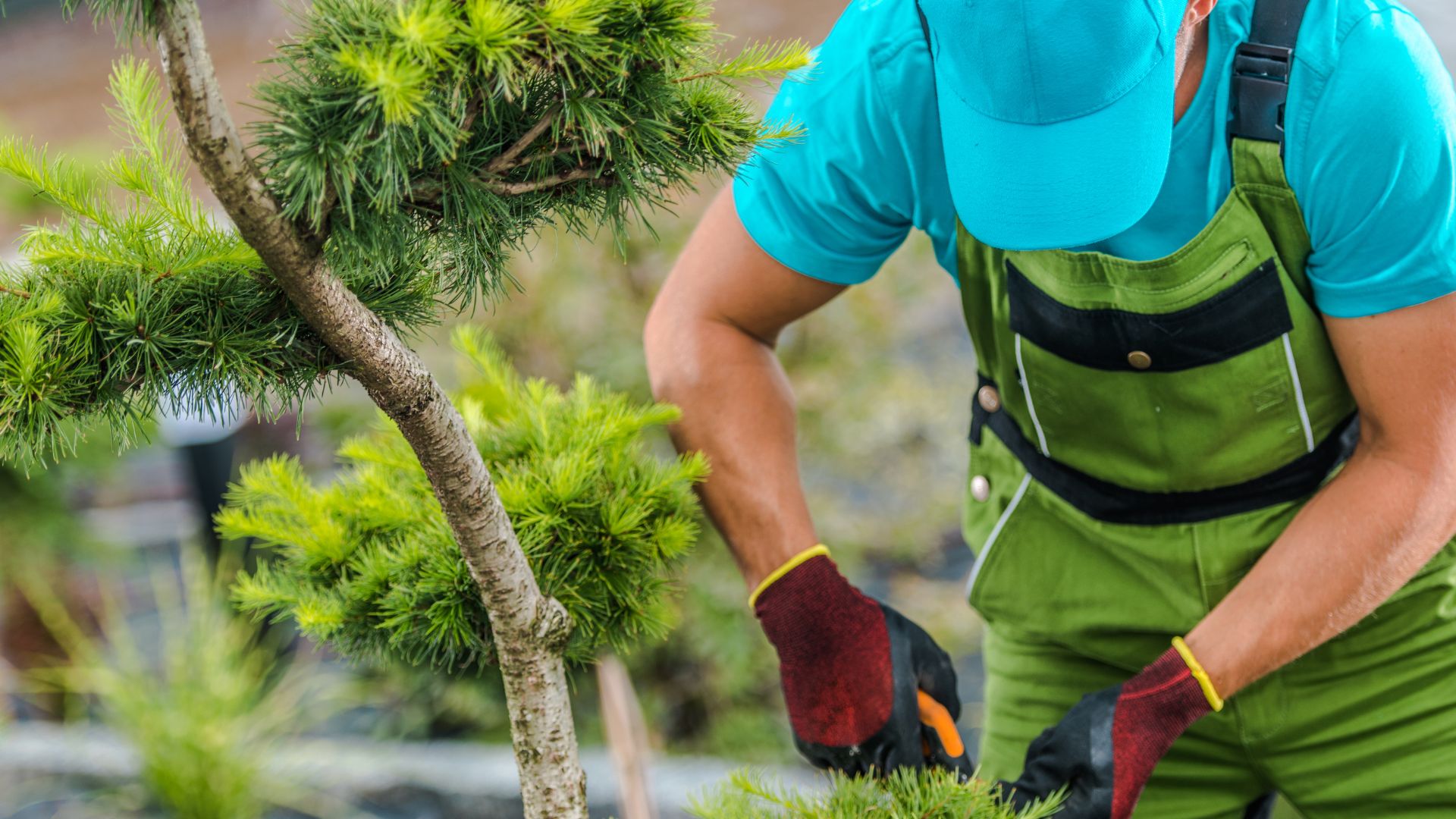
1. Mountain communities thrive when trees are healthy, well-placed, and properly maintained, and that’s especially true around Lake Tahoe’s unique climate and terrain. Choosing a thoughtful plan for canopy management supports safety, views, and property value while respecting the forest’s natural cycles. Homeowners and managers turn to comprehensive services that include tree removal, trimming and pruning, professional arborist consultations, lot and land clearing, defensible space creation with fire mitigation and fuels reduction, and practical wood products like firewood, custom wood boards, mantels, and on-site wood milling. These services together form an integrated approach to resilient landscapes.
2. Seasonal demands in the Sierra require a strategy that adapts to snow loads, wind, and dry summers. Regular trimming and pruning helps reduce limb failure during storms and keeps branches clear of structures and utility areas. Pruning to remove deadwood, reduce weight on long leads, and elevate canopies above roofs and driveways supports safer passage and less debris buildup. When trees are structurally compromised, targeted tree removal can prevent problems before they develop, keeping surrounding trees healthier by reducing competition and eliminating disease vectors.
3. Fire awareness shapes much of the region’s modern tree care. Defensible space creation with fire mitigation and fuels reduction reduces ladder fuels, opens spacing between crowns, and keeps combustion-prone materials away from structures. Lot and land clearing complements this work by removing accumulations of brush, downed limbs, and other fine fuels that feed fast-moving fire. In wildland-urban interface neighborhoods, thoughtful spacing, well-maintained mulch zones, and consistent debris removal make a measurable difference during peak fire season.
4. Guidance matters when deciding what to trim, what to remove, and how to plan future plantings. Professional arborist consultations provide site-specific insight into tree species selection, long-term structure, and hazard assessment. Arborists can recommend pruning schedules based on species growth patterns, identify signs of disease or infestation early, and help balance privacy needs with sun exposure, view corridors, and windbreaks. This advisory role keeps projects focused on long-term outcomes rather than quick fixes.
5. Sustainability is strengthened when wood is put to use instead of sent to waste. After a removal, branches and smaller material can be chipped for mulch, while larger trunks may be converted into valuable wood products. On-site wood milling transforms sound logs into custom wood boards and mantels, preserving local character and reducing transport. Firewood produced from suitable hardwoods and seasoned softwoods can be a practical way to heat spaces or enjoy a backyard gathering, keeping resources within the community.
6. Proper planning streamlines projects and supports compliance. Before crews arrive, marking access routes, staging areas, and protection zones around gardens, paving, and structures minimizes disturbance. Communication about utility lines, property boundaries, and shared spaces keeps neighbors informed and safe. For larger efforts such as lot and land clearing or significant defensible space work, coordination with local guidelines ensures that fuels reduction aligns with regional standards and environmental considerations.
7. The right tools and techniques protect trees and soil. Low-impact equipment, clean cuts at appropriate branch collars, and careful canopy reduction help trees recover quickly. Trunk and root zone protection during operations prevents compaction and damage. Post-work care, including watering during dry spells and monitoring for pests, helps the landscape stabilize. When a tree must come down, stump management and site restoration prepare the area for future plantings or functional use.
8. The local context drives every decision, which is why a community-focused approach is essential. Properties near ridgelines may contend with stronger winds and snow loading; lakeside parcels might prioritize view management and erosion prevention. A service plan built around these conditions can include periodic inspections, scheduled trimming and pruning, selective tree removal, and ongoing defensible space creation with fire mitigation and fuels reduction. Incorporating wood products like firewood, custom wood boards, mantels, and on-site wood milling turns necessary maintenance into tangible benefits.
9. For residents and property managers seeking a comprehensive path to safety, beauty, and resilience, partnering with a trusted provider brings clarity and results. By combining careful assessment, tailored pruning, strategic removals, and smart fuels management, properties stay healthy and ready for the season ahead. When discussing options for a forested lot or a compact urban parcel, mentioning the local context with terms like tree service south lake tahoe helps ensure that recommendations reflect regional realities. With ongoing care and practical wood utilization, the landscape remains vibrant and prepared for changing conditions—now and in the years to come.
10. A cohesive plan that integrates tree care, site safety, and resource reuse supports both property goals and the greater Tahoe environment. Thoughtful action today—guided by arborist input and carried out through trimming and pruning, targeted tree removal, lot and land clearing, and dedicated defensible space—creates safer, healthier, and more beautiful spaces for everyone who calls this region home. Whether the need is pre-season maintenance or long-term stewardship, the principles behind tree service south lake tahoe continue to guide successful outcomes across the basin.
