Tree Service Commerce Group
Home
Selecting a Nearby Tree Service: Safety, Seasonality, and Site Value
Healthy trees elevate curb appeal, protect structures, and strengthen community character, but making sound decisions about care, removal, and fuel-reduction work requires a clear understanding of how the modern tree service industry operates.
The role of risk assessment
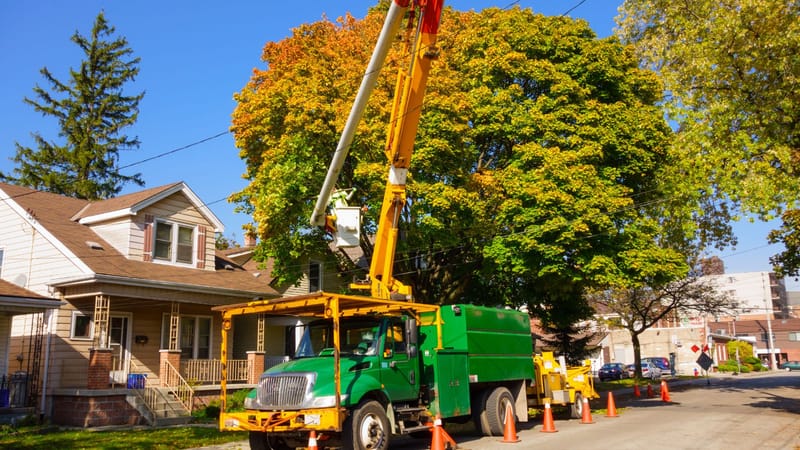
Tree care begins with understanding risk. Professionals evaluate species characteristics, branching patterns, lean, crown density, and proximity to structures or utilities. They look for signs of declining vigor—deadwood, cracking, co-dominant stems, and canopy imbalance. By reading these cues, crews determine whether trimming and pruning will restore structure, or whether removal is the safer path. Robust assessments also account for access points, equipment staging, and debris handling, which minimizes disruption and protects neighboring landscapes.
Pruning with purpose
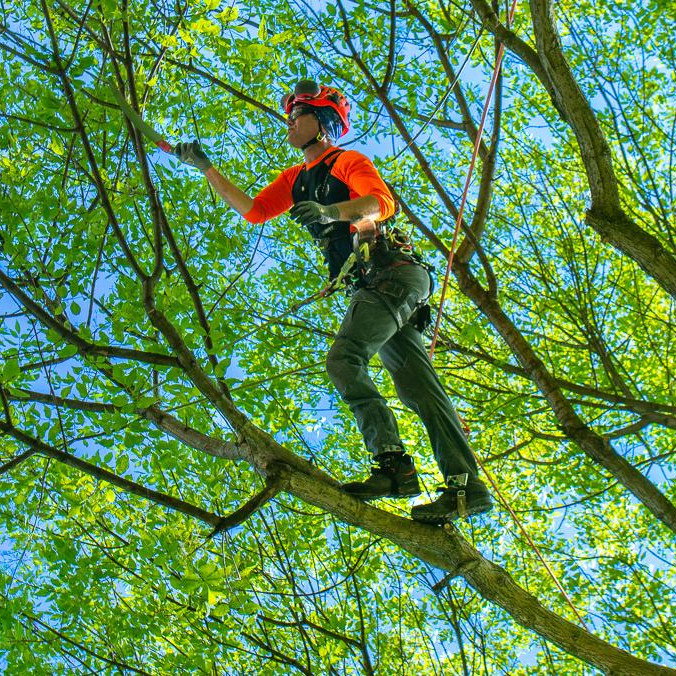
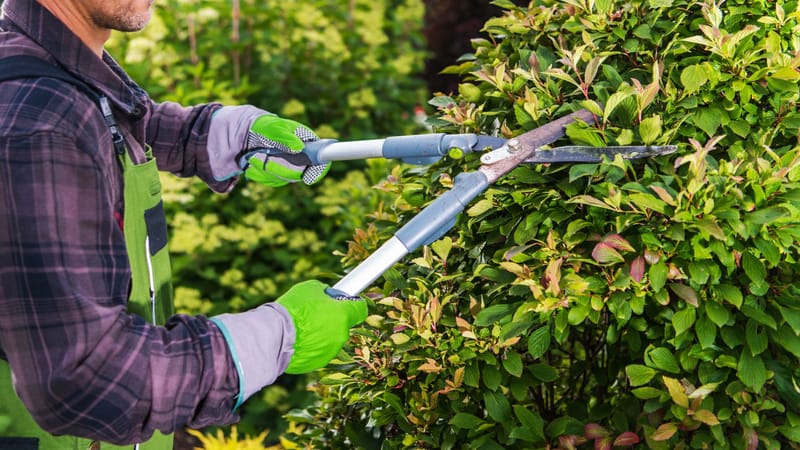
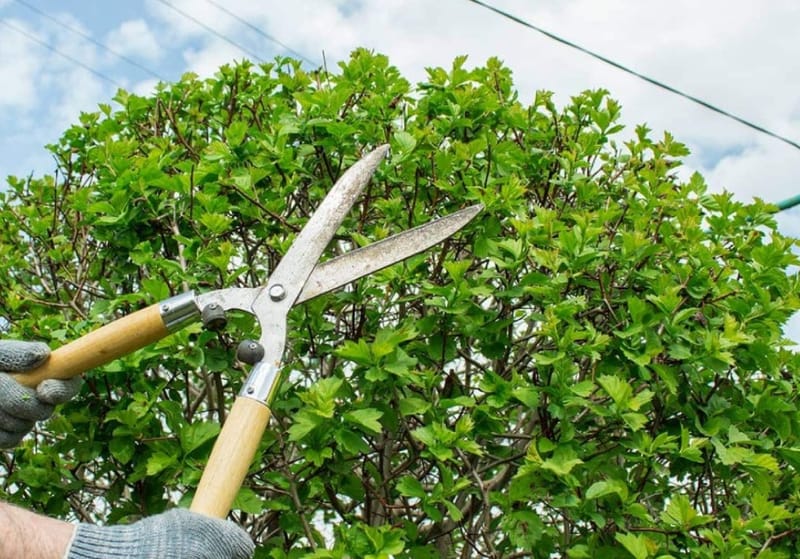
Effective pruning is targeted, not cosmetic. The goal is to enhance structure, improve light penetration, and reduce wind sail without stressing the tree. Cuts are placed just outside the branch collar to support natural healing. Common objectives include raising canopies for clearance, thinning congested interiors to lower breakage risk, and reducing select limbs that overreach roofs. Timing matters: in many climates, dormant-season work helps guide growth with reduced pest pressure, while midseason touch-ups can address clearance after storms or rapid flushes. A careful approach prioritizes safety, tree health, and a natural form that complements the site.
Removal when preservation is no longer practical
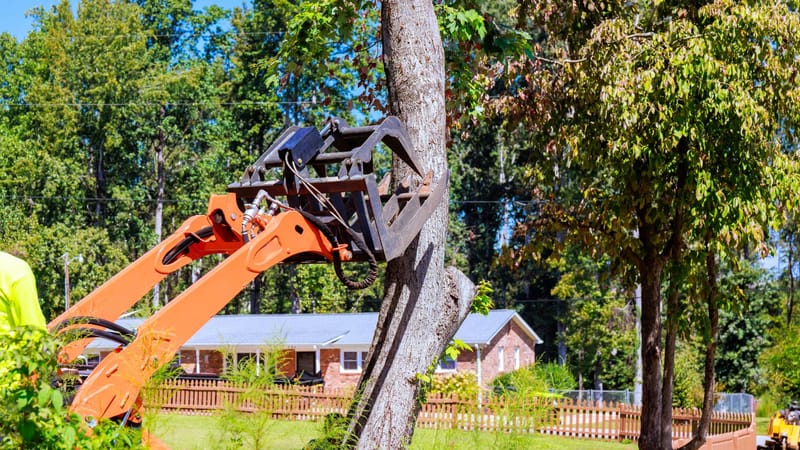
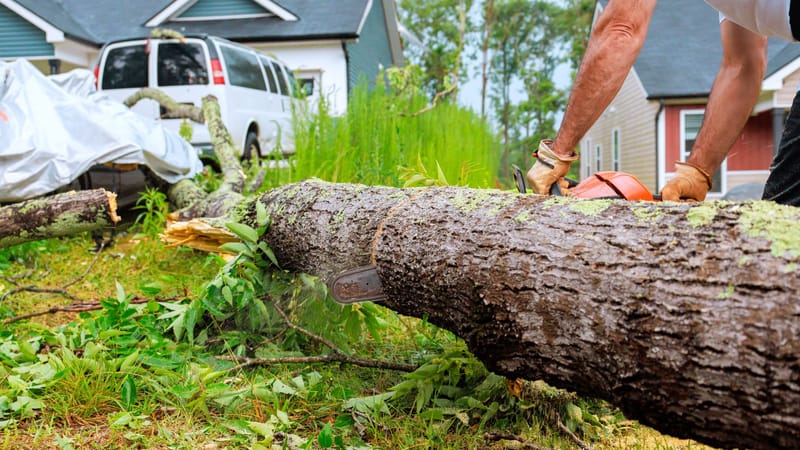
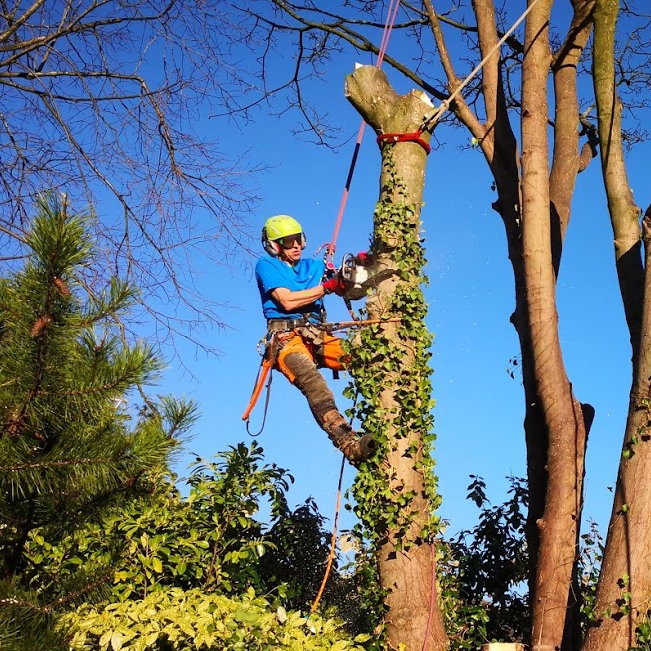
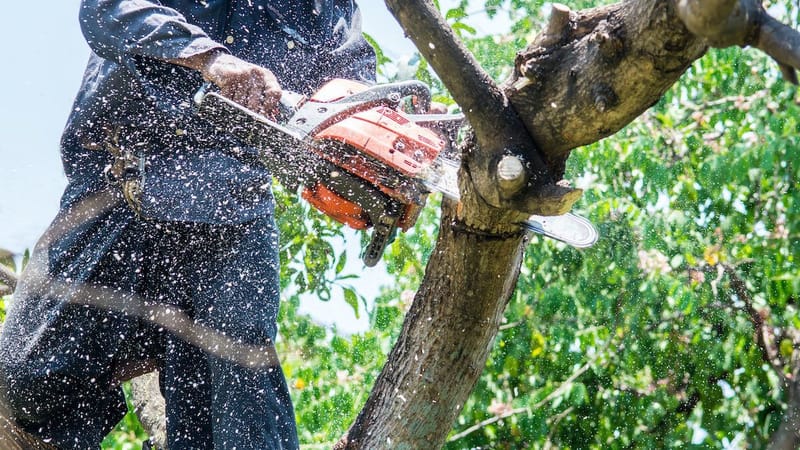
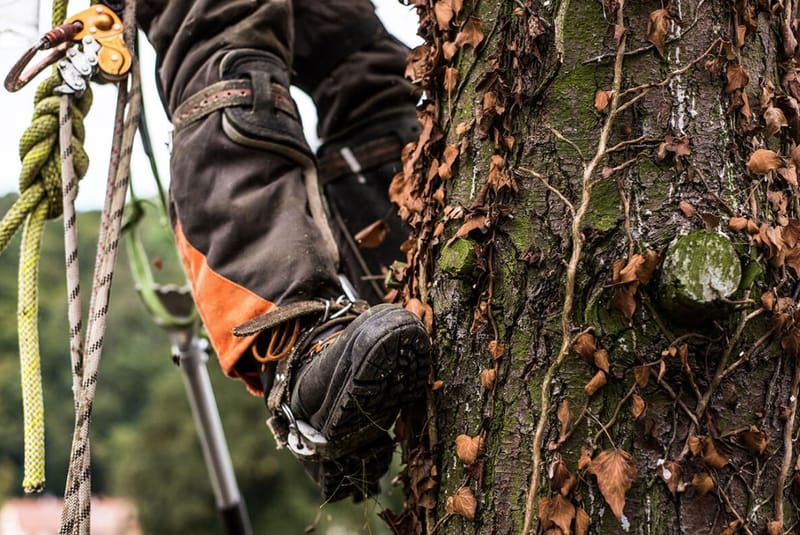
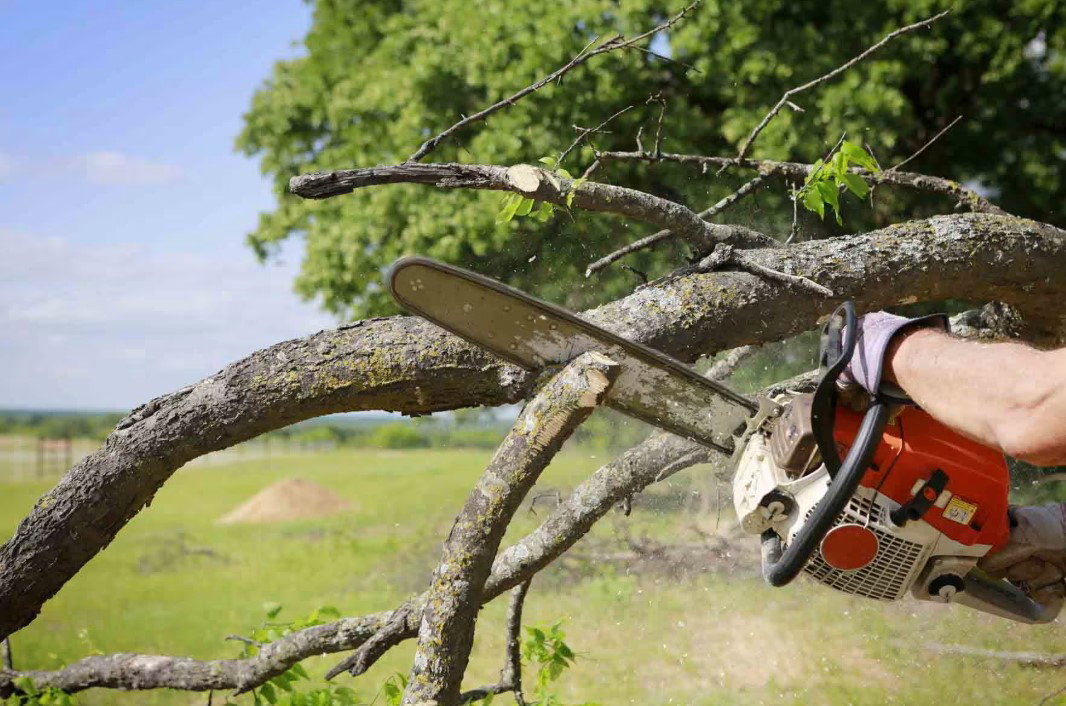
Sometimes, the right decision is to remove a tree that threatens people or property. Skilled crews plan safe felling or sectional dismantling, factoring in lean, rigging points, and drop zones. In tight backyards or near buildings, controlled lowering protects fences, patios, and roofs. After removals, wood removal and chipping keep sites clean, while select material can be repurposed into firewood sales or custom boards. This circular approach turns risk into resource, offering homeowners and property managers functional, locally useful products.
Defensible space and lot clearing for resilience
In fire-prone environments, defensible space can be as critical as a sturdy roof. Strategic work reduces ladder fuels, breaks up continuous vegetation, and establishes healthier spacing. Lot clearing prepares parcels for safe access and maintenance, improving sightlines and emergency readiness. The best outcomes balance safety with ecology—retaining healthy, well-spaced trees, pruning lower limbs, and chipping fine debris rather than leaving piles. Thoughtful spacing preserves shade, encourages wildlife movement, and helps landscapes rebound after dry spells.
Seasonal strategy and community standards
Tree care plans benefit from a seasonal rhythm. Late winter through spring often focuses on pruning structure and addressing storm impacts. Summer attention shifts to clearance over drives, walks, and roofs, while fall prioritizes risk checks before heavy weather. Throughout the year, aligning practices with community guidelines and local expectations builds trust. Responsible debris management, clean work areas, and communication with neighbors reinforce a positive relationship between property owners and the broader community.
How to choose a qualified provider
Selecting a provider is easier with a simple checklist:
1) Verify training and certifications to confirm competency and safety focus.
2) Ask for clear scopes of work that explain equipment, access, cleanup, and disposal.
3) Request references or examples of similar projects, especially for complex removals or large lot clearing.
4) Ensure the team discusses site protection—lawns, hardscapes, garden beds—and post-work cleanup like chipping and wood removal.
5) Favor crews that explain pruning objectives in plain language and set realistic timelines.
This structured approach leads to safer outcomes and better long-term tree health.
Sustainable byproducts and site value
Modern tree services increasingly convert byproducts into value. Branches and small-diameter wood become mulch via chipping, supporting moisture retention and weed suppression. Larger logs can be milled into custom boards for benches, garden structures, or accent pieces. Firewood sales meet local heating needs while shrinking hauling distances. When clients see each step—from assessment to cleanup—tied to a purpose, they gain confidence that their landscape investments are responsible and resilient.
Member Spotlight
Codys Tree Service
2000 US-50
South Lake Tahoe, CA, 96150
530-541-8733
https://www.codystree.com/
When searching for tree service near me, Codys Tree Service stands out as a trusted local choice in South Lake Tahoe, California. This team follows industry standards and techniques to deliver tree removal, trimming, pruning, lot clearing, defensible space for fire safety and home protection, wood removal, chipping, firewood sales, and custom boards. With certified arborists on staff, Codys Tree Service handles residential and commercial projects with careful planning, clear communication, and tailored solutions. From a single hazardous limb to a multi-acre lot, they provide thoughtful guidance, dependable crews, and clean results—the kind of service that turns a search for tree service near me into a confident decision.
About Us
At Cody’s Tree Service, deep roots in South Lake Tahoe shape how every crew member approaches the work. As a longstanding local business, the team understands the rhythms of the Sierra—heavy winter snow loads, high-altitude winds, summer drought stress, and wildfire pressure—and applies that knowledge to care for the trees that define this mountain community. When neighbors look for tree service South Lake Tahoe can rely on, they turn to the knowledgeable professionals at Cody’s Tree Service for thoughtful guidance and steady execution.
Certified arborists lead each project, combining science-based tree care with practical field experience. From a compact backyard near the Upper Truckee to a sprawling commercial lodge off Pioneer Trail, the team assesses species, structure, and site conditions before crafting a plan. That may involve careful pruning to improve canopy health, selective trimming to clear rooflines, or full tree removal when a compromised trunk, pest damage, or storm impact leaves no safe alternative. The goal stays consistent: protect people and property while stewarding the landscape.
Defensible space is a priority in the Tahoe Basin, and Cody’s Tree Service helps property owners create and maintain it with precision. Crews thin understory fuels, ladder branches, and crowded saplings, opening space so fire behavior is less severe and emergency access remains clear. They also offer lot clearing for new construction or renovations, coordinating with local guidelines and, where applicable, navigating regional requirements to keep projects compliant and on schedule.
Beyond those core services, the company provides wood removal and efficient chipping to handle debris without disrupting the neighborhood. Rather than letting material go to waste, clients can request firewood sales for seasonal heating needs or explore custom boards milled from suitable logs, transforming a necessary removal into useful, locally sourced lumber. It’s a practical option many homeowners appreciate, especially when a well-loved tree must come down.
Storm season brings unique challenges to South Lake Tahoe, and the team is ready for them. Whether it’s a windthrown pine across a driveway or a heavy, snow-burdened limb threatening a deck, crews respond with the equipment and know-how to restore safety quickly. Precision rigging, low-impact techniques, and meticulous cleanup minimize disturbance to surrounding landscape and hardscape.
Clear communication is a hallmark of the Cody’s Tree Service experience. Before work begins, clients receive transparent recommendations tailored to their goals, budgets, and timelines. During operations, site leads keep property owners informed, adjusting as conditions change and answering questions along the way. The company’s reputation has been built one job at a time through that straightforward approach and a commitment to leave each site better than it was found.
From routine pruning that keeps aspens vibrant to complex removals of overbuilt firs near power lines, Cody’s Tree Service brings a calm, capable presence to every assignment. If you’re seeking a trusted tree service in South Lake Tahoe, California, with the skill to handle residential and commercial projects alike, Cody’s Tree Service stands ready to help. Explore more at codystree.com, and partner with a team that treats your trees—and your property—with the respect they deserve.
Contact Us
Company Name: Codys Tree Service
Address: 2000 US-50, South Lake Tahoe, CA, 96150
Phone Number: (530) 541-8733
Website: https://www.codystree.com