Resilient Tree Care in Mountain Communities
Healthy forests and safe homes go hand in hand in high-elevation communities where snow load, wind, and wildfire risk shape the landscape. Homeowners and property managers increasingly look for practical, science-based care that balances beauty, safety, and sustainability. That’s where proactive planning, certified guidance, and services such as selective removals, pruning, fuels reduction, and land clearing come together to protect people and property while supporting long-term forest health.
Understanding Local Forest Ecology
Sierra conifers grow in dense stands that can encourage competition for light and water. Strategic thinning, structural pruning, and targeted removals help remaining trees develop stronger crowns and deeper root systems. A thoughtful approach reduces ladder fuels, improves airflow, and lowers the risk of crown fires. When property owners ask for tree service south lake tahoe, they are often seeking trained eyes to determine which trees to prune, which to retain, and which to remove for safety.
Safety and Risk Management
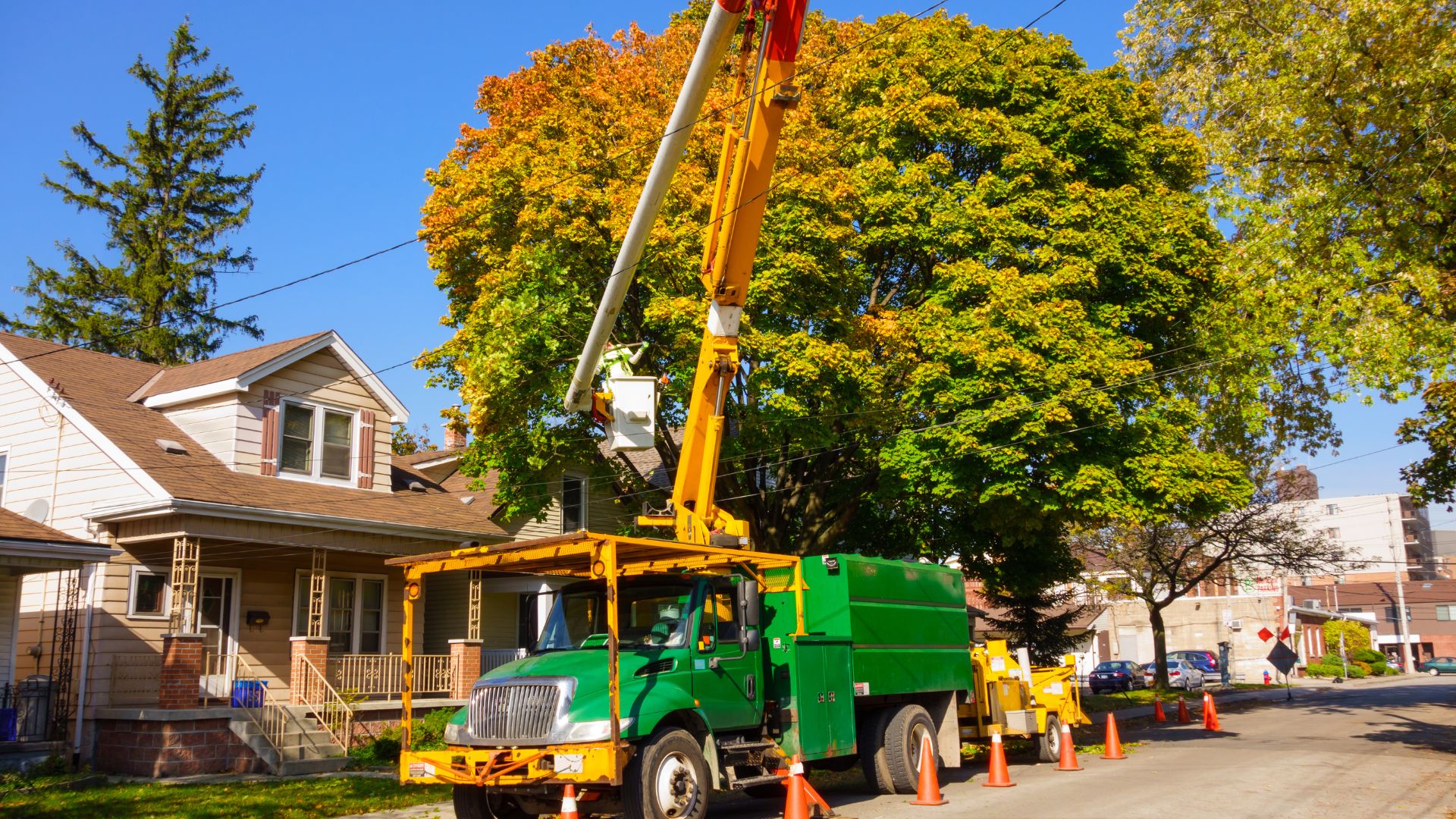
Winter storms, heavy snow, and saturated soils can stress even well-established trees. Regular inspections spot weak branch unions, decay pockets, and canopy imbalances before they become hazards. When a tree compromises a roofline or utilities, timely action matters. In those moments, residents often search for tree removal near me and tree removal south lake tahoe to find responsive crews that can handle complex takedowns with rigging, aerial lifts, and careful ground coordination. Keeping work zones tidy and protecting surrounding plants and structures are as important as the cut itself.
Defensible Space and Fuels Reduction
Wildfire resiliency starts with the immediate area around your home. A layered strategy removes flammable brush, trims lower limbs, and spaces canopies to slow fire spread and reduce radiant heat. Defensible space plans typically include:
- Pruning to raise crowns and remove deadwood
- Thinning small-diameter trees and volunteer saplings
- Clearing leaf litter and woody debris
- Creating access for emergency vehicles
- Maintaining shaded fuel breaks along driveways and lot lines
These steps support safer evacuation routes, help firefighters work effectively, and preserve the healthiest, most fire-adapted specimens.
Seasonal Timing for Best Results
Tree biology and climate guide the calendar. Dormant-season pruning can minimize sap flow and disease transmission, while late spring assessments reveal new growth patterns and storm damage. Scheduling ahead ensures availability for projects like lot clearing, arborist consultation, and preventive pruning before peak fire season. When storm events occur, quick response from a trusted team offering tree service near me can make all the difference.
Turning Wood Into Useful Resources
Responsible management doesn’t end at the cut. Salvaging logs and brush can produce firewood, custom wood boards, and even mantels through careful wood milling. This approach reduces waste, lowers hauling volume, and gives trees a second life as functional, beautiful products. Reclaiming materials supports a circular, locally minded economy and helps offset project impacts.
Choosing the Right Partner
Look for certified arborists who provide clear assessments, written scopes, and options that respect both safety and ecology. A reputable provider will discuss pruning objectives, removal justifications, and land clearing plans that fit your goals and budget. They should understand regional permitting, soil conditions, and wildlife considerations, and communicate at every step so you feel confident from estimate to cleanup.
